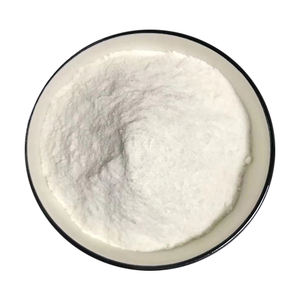
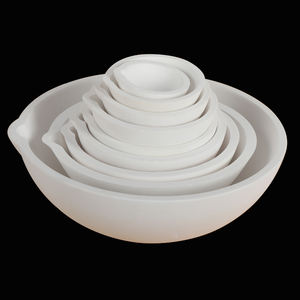
Boron nitride ceramic is now the top choice for high-temperature electrical isolators in magnetron sputtering systems. This material handles extreme heat without losing its insulating power. It stays stable even when temperatures go above 1,000 degrees Celsius. That makes it perfect for use in demanding thin-film coating processes.
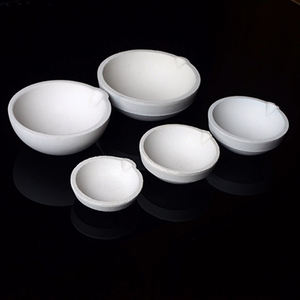
(Boron Nitride Ceramic for High Temperature Electrical Isolators in Magnetron Sputtering Systems)
Magnetron sputtering needs parts that can take both high voltage and intense heat. Standard ceramics often crack or degrade under these conditions. Boron nitride does not. It keeps its shape and performance over long runs. Its low thermal expansion means it won’t warp during rapid heating or cooling cycles.
The ceramic also resists chemical attack from reactive gases used in sputtering chambers. Oxygen, nitrogen, and argon do not harm it. This leads to longer part life and fewer system shutdowns. Users see less downtime and lower maintenance costs.
Another key benefit is its smooth surface. This reduces particle buildup inside the chamber. Clean surfaces mean higher film purity and better coating quality. Manufacturers get more consistent results batch after batch.
Boron nitride is easy to machine into complex shapes. Engineers can design custom isolators that fit tight spaces in modern sputtering tools. This flexibility helps equipment makers improve their system layouts without sacrificing performance.
Demand for this material is rising as semiconductor and display makers push for thinner, more precise coatings. Boron nitride meets those needs without compromise. It works where other materials fail.
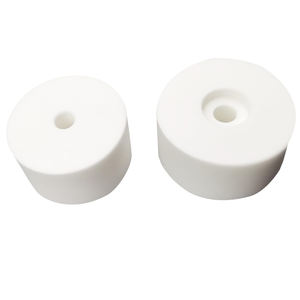
(Boron Nitride Ceramic for High Temperature Electrical Isolators in Magnetron Sputtering Systems)
Leading suppliers are scaling up production to meet growing orders. They offer grades tailored for electrical insulation in vacuum and plasma environments. Quality control ensures each piece performs the same way every time.