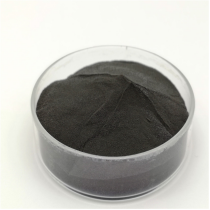
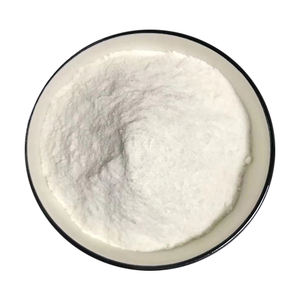
Boron nitride ceramic shows strong performance in high temperature nitriding atmospheres. This material keeps its structure stable even when exposed to extreme heat and reactive nitrogen gases. Engineers and researchers have tested it under conditions that mimic industrial processes like metal hardening and semiconductor manufacturing. The results confirm that boron nitride does not break down or lose strength easily.

(How Does Boron Nitride Ceramic Perform in High Temperature Nitriding Atmospheres)
One key reason for this reliability is the chemical makeup of boron nitride. It already contains nitrogen in its structure, so adding more nitrogen at high temperatures does not cause unwanted reactions. Other ceramics might crack or corrode under similar stress, but boron nitride remains intact. Its thermal conductivity also stays consistent, which helps manage heat evenly during operations.
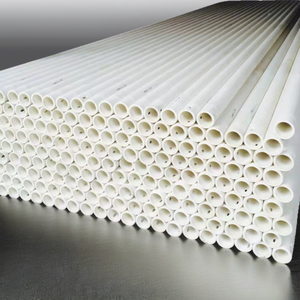
Manufacturers value this stability because it reduces equipment wear and maintenance costs. Components made from boron nitride, such as crucibles, insulators, and support fixtures, last longer in nitriding furnaces. This durability translates into fewer production stoppages and better overall efficiency.
Recent tests at elevated temperatures up to 1600°C showed minimal weight change and no surface degradation in boron nitride samples. These findings support its use in demanding applications where precision and material integrity are critical. Industries ranging from aerospace to electronics are now adopting boron nitride parts for their high-temperature tooling needs.
(How Does Boron Nitride Ceramic Perform in High Temperature Nitriding Atmospheres)
The material’s resistance to thermal shock adds another layer of safety. Sudden temperature shifts do not cause it to fracture like some alternatives. This makes handling easier and improves workplace safety. As demand grows for materials that can endure harsh processing environments, boron nitride ceramic continues to prove its worth.