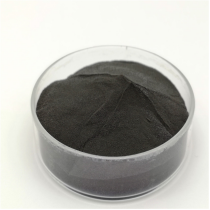
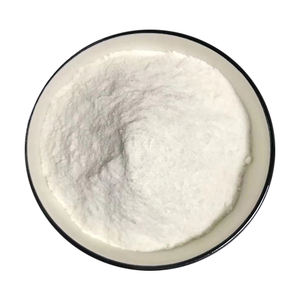
Choosing the right boron nitride ceramic binder system is key to getting the best results in your manufacturing process. Different binders affect how the material shapes, holds together, and performs after firing. You must match the binder to your specific method—whether you are pressing, casting, or extruding.
(How to Select the Right Boron Nitride Ceramic Binder System for Your Process)
Water-based binders work well for simple shaping tasks and are easy to handle. They clean up fast and cost less. But they may not give enough strength for complex parts. Oil-based systems offer better green strength and flow, which helps with detailed molds. However, they need more care during cleanup and can leave residues if not burned out properly.
Temperature matters too. Some binders break down cleanly at lower firing temps. Others need higher heat to fully disappear without harming the final part. Check your furnace limits before picking one. Also, think about how fast your production line moves. Fast-drying binders save time but might crack if the air is too dry.
Talk to your supplier early. Tell them your part size, shape, and end use. They can suggest options that fit your equipment and goals. Test small batches first. Watch how the mix pours, dries, and fires. Look for cracks, warping, or leftover ash. These signs tell you if the binder is right or not.
Keep safety in mind. Some binders give off fumes when heated. Make sure your workspace has good airflow or proper exhaust. Always follow the safety sheet that comes with the product. Your team’s health comes first.
(How to Select the Right Boron Nitride Ceramic Binder System for Your Process)
Getting the right binder takes a little trial, but it pays off in smoother runs and better parts. Focus on what your process needs most—strength, ease of use, or clean burnout—and go from there.