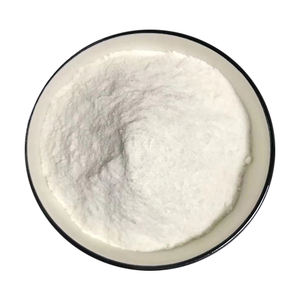
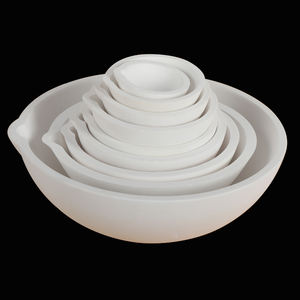
Boron nitride ceramic is now a key material in induction skull melting crucibles. These crucibles are used to melt high-purity metals and reactive alloys. The process needs materials that can handle extreme heat and resist chemical reactions. Boron nitride fits this need well.
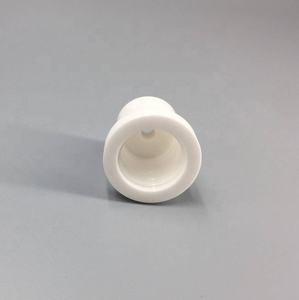
(What Are the Boron Nitride Ceramic Applications in Induction Skull Melting Crucibles)
This ceramic has strong thermal stability. It stays solid even at very high temperatures. It also does not react with most molten metals. That makes it ideal for holding reactive materials like titanium or zirconium during melting. The non-wetting property of boron nitride helps prevent metal from sticking to the crucible walls. This keeps the melt clean and reduces contamination.
Induction skull melting uses electromagnetic fields to heat metal without direct contact. The crucible must insulate the melt while allowing energy to pass through. Boron nitride offers good electrical insulation and low thermal conductivity. These traits help control the melting zone precisely. They also protect surrounding equipment from overheating.
Manufacturers choose boron nitride because it lasts longer than many alternatives. It resists thermal shock, so it does not crack easily when heated or cooled quickly. Its smooth surface makes cleaning easier between batches. This cuts downtime and boosts productivity.
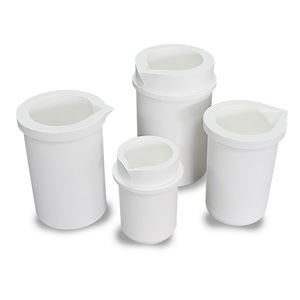
(What Are the Boron Nitride Ceramic Applications in Induction Skull Melting Crucibles)
Demand for high-purity metals keeps rising in aerospace, medical implants, and electronics. Boron nitride ceramic supports these industries by enabling cleaner, more efficient melting processes. Companies using this material report fewer defects and better yields. As a result, its role in advanced metallurgy continues to grow.