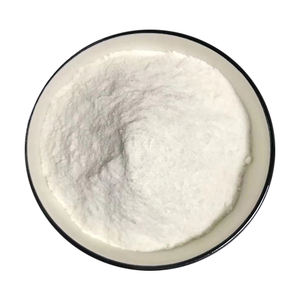
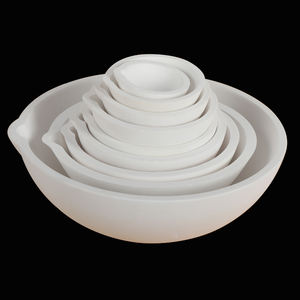
Boron nitride ceramic is becoming essential for high temperature piezoelectric sensors. These sensors must work in extreme heat where most materials fail. Boron nitride stands out because it stays stable at very high temperatures. It also resists thermal shock and keeps its shape under stress.
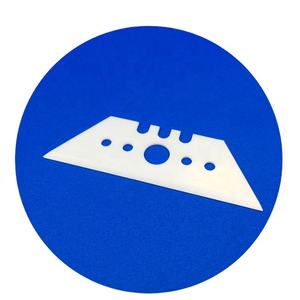
(Why Boron Nitride Ceramic Is a Critical Material for High Temperature Piezoelectric Sensors)
Regular piezoelectric materials lose their sensing ability when things get too hot. Boron nitride ceramic does not have this problem. It maintains its electrical properties even above 1,000 degrees Celsius. This makes it ideal for use in aerospace engines, industrial furnaces, and power generation systems.
The material is also electrically insulating. That helps prevent signal interference in sensitive measurements. Its smooth surface and chemical inertness mean it lasts longer in harsh environments. Engineers can rely on it to deliver consistent performance over time.
Demand for reliable high temperature sensors is growing fast. Industries need better ways to monitor conditions inside machines that run hot. Boron nitride ceramic fills this gap. It gives designers a strong option where few others exist.
Manufacturers are now scaling up production of boron nitride components. They are working with research labs to fine tune the material for specific sensor designs. Early tests show promising results in real world applications. Users report improved accuracy and durability compared to older solutions.
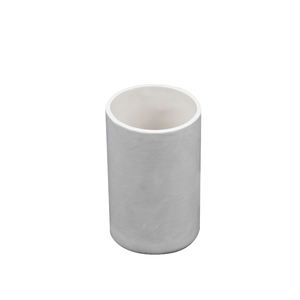
(Why Boron Nitride Ceramic Is a Critical Material for High Temperature Piezoelectric Sensors)
This ceramic is not new, but its role in piezoelectric sensing is expanding quickly. Experts say it could become a standard in next generation high temperature electronics. Companies investing in this technology expect it to open new possibilities across multiple sectors.